
As technology improved we have tried to create a more human-like model that can mimic and do any and all tasks a normal human being can perform. This was essential to improve the safety of humans in various work environments and to ensure risky jobs are taken over by Ai powered robots. This has led to the invention of various robots like Sophie and AI models like Chat-GPT, Bard, Assistants like Google Assistant, Siri, Cortana etc. Among all these models, Chat-GPT introduced by open AI is well known for its advanced capabilities. Recently capability analysis was carried out of chatgpt optimizing language models for more conversational prompt inputs. This article will help you dive into the training methods, secrets used for optimizing the language models for a real life dialogue prompt analysis and interpretation.
What Is Chat-GPT?
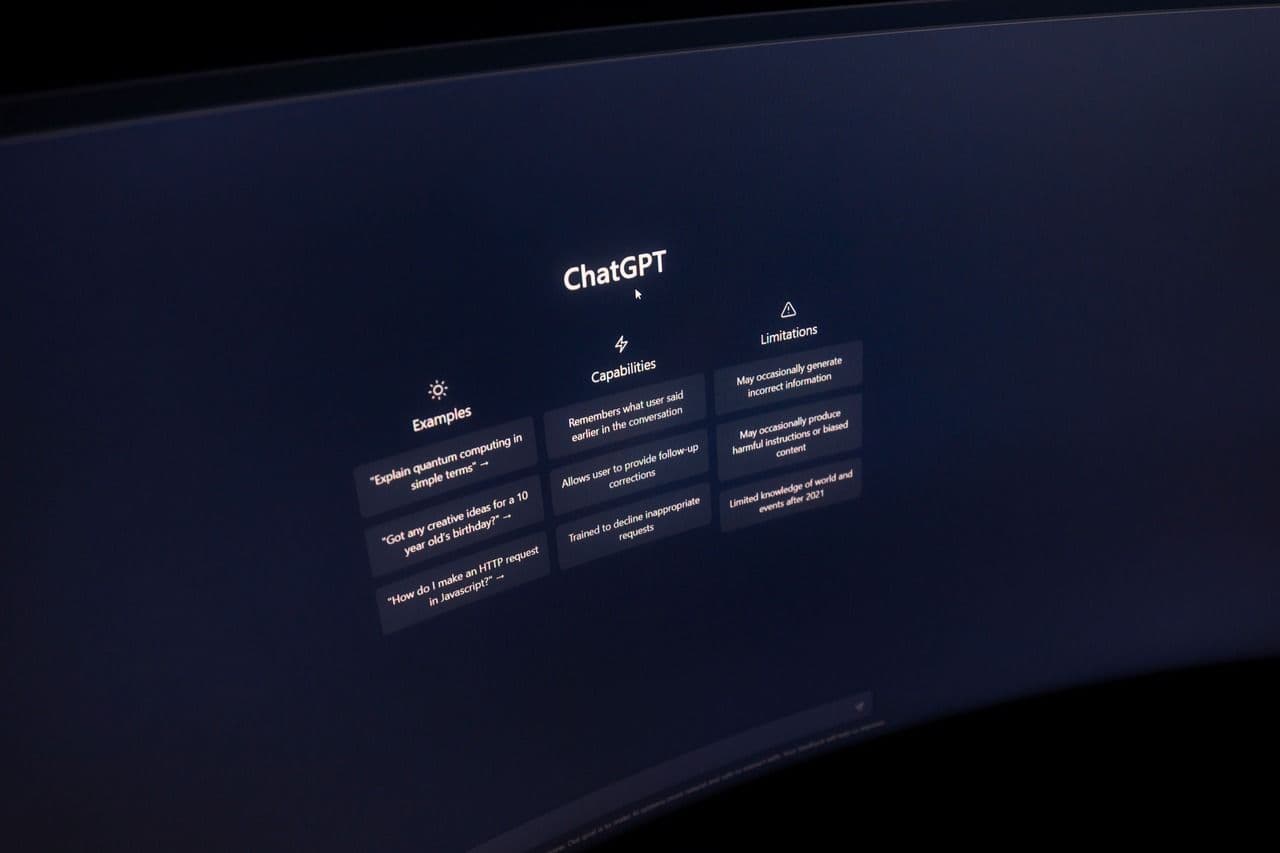
Chat-GPT or Chatbot Generative Pre-Trained Transformer is an AI model developed by Open AI by using machine learning capabilities and GPT4 architecture. Unlike the previous models like InstructGPT, ChatGPT has been trained to answer questions in a conversational tone. The model is trained to understand the context, coherence and conversational tone to generate apt responses. It can offer in depth answers to questions and you can continue a specific chat in a normal dialogue delivery just like the interaction with a human being. It has been uniquely designed to answer follow up questions, clarify doubts, rectify mistakes and reject illegal and inappropriate questions.
How Was Chat-GPT Trained?
Chat-GPT makes use of reinforced machine learning from human feedback (RLHF). This makes use of human dialogue interaction to learn and adapt the responses to align with the human conversational tone. Since these aspects focus more on human interactions some safeguards have been put in place to reduce harmful and untruthful statements. However, there are some tricks and tips within many chat forums that allow you to bypass these filters and safeguards. Therefore due care needs to be put in legal aspects while using chatbot for clearing your doubts. Chat GPT makes use of 3 main ways to learn and adapt the model to have conversational flow:
- By taking response from a human instructor. ChatGPT is given a prompt and the answer formulated by the instructor. Thereby teaching it the human language for asking questions and answers.
- A new prompt is asked and the GPT returns a couple of answers. The human instructor or labeler reviews, analyzes and ranks the answers from best to the worst. Thereby teaching it to formulate answers in the best format. This information is used to train the reward model.
- For every new prompt, using the reinforcement learning algorithm, an output is generated and the machine learning reward model selects a reward and it updates itself based on the output and reward.
Key Components Of Training Language Models For Dialogue
In order to fine tune the language models for dialogue a lot of effort, research and review needs to be conducted. This mainly includes three main processes such as pre-training, fine-tuning and reinforcement learning. Pre Training involves training the model and GPT based on vast amounts of text data. Fine Tuning involves training based on specific dialogue based datasets. This allows it to use the pre-trained knowledge and allows it to enhance the results by adapting to the conversational contexts in a better manner. This fine tuning allows to improve the accuracy and increase the knowledge of response. reinforcement learning involves rewarding and ranking the response from best to worst and training it to produce more responses that are knowledgeable and accurate. This helps in improving the natural dialogue generation and enhances the interaction capabilities.
Optimizing Language Models For Conversation
ChatGPT optimizing language models for conversation involves focusing on the following key aspects like contextual understanding, coherence, consistency, safety, tone, personalization and regional dialects. Every response developed by GPT4 needs to have consistent results. It is important to have contextual understanding to ensure the results are relevant to the questions and prompts input by the users. Different techniques like attention mechanism, focus words and keyword targeting are used and incorporated to achieve contextual relevance.
Conclusion
There have been improvements in all fields of artificial intelligence. With the recent development in advanced machine learning models and algorithms it has been easier to create, train, review and analyze AI powered bots to produce relevant, knowledgeable information and suggestions. A large chunk of datasets and information is used by ChatGPT optimizing models for improving the conversational dialect and to enhance its capabilities with contextual understanding and relevance. It has made it easier to have personalized, efficient and engaging conversation. In addition the optimization techniques have improved the safety standards and helps in preventing illegal, unethical and harmful information from spreading. Although there has been loopholes and tricks to bypass all such restrictions, it is expected to cover off such issues in the future with the implementation of advanced models.
Reference
https://autogpt.net/chatgpt-optimizing-language-models-for-dialogue/
https://blog.cloudhq.net/openais-chatgpt-optimizing-language-models-for-dialogue/